
Burnout
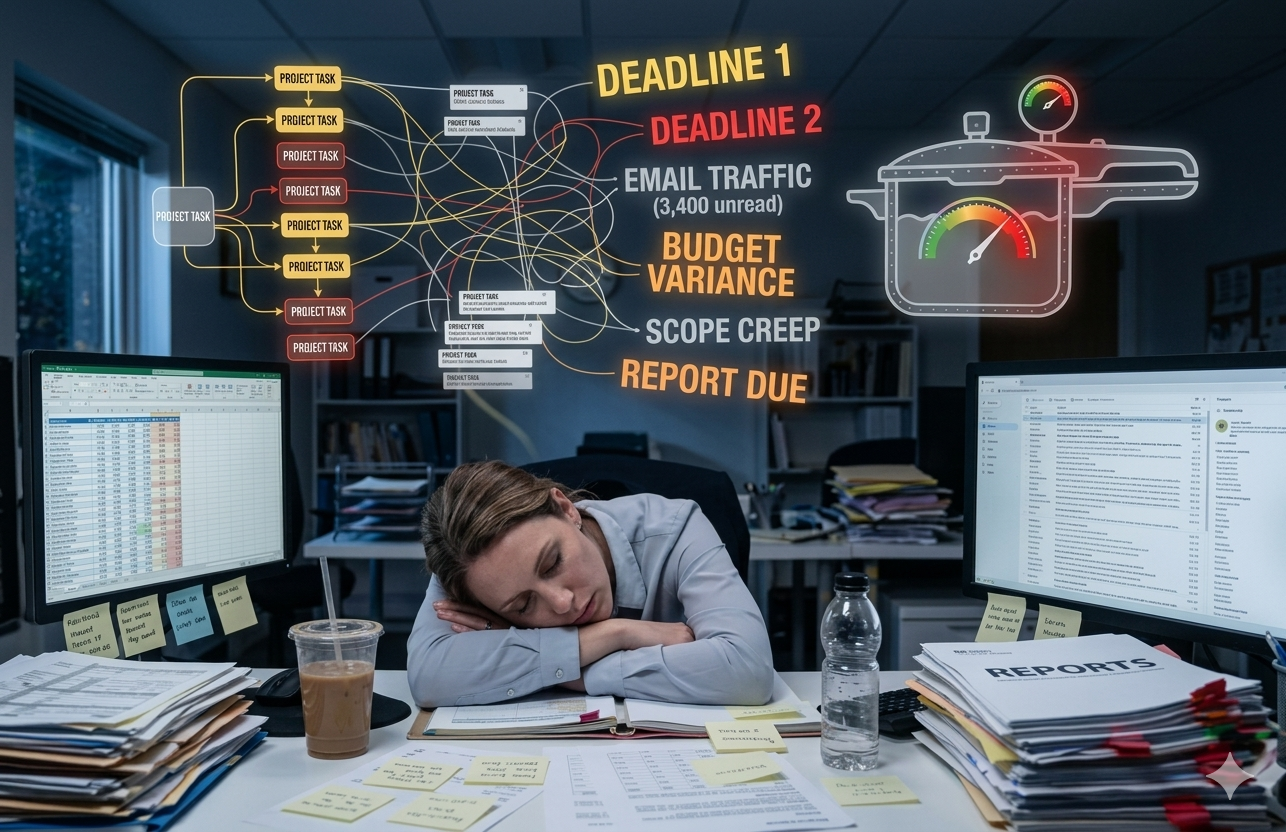
When stress has gone on too long and recovery no longer happens naturally
Burnout is not just tiredness. It can feel like emotional depletion, cognitive slowing, low patience, poor stress tolerance, sleep disruption, and a sense that even ordinary tasks take far more effort than they should.
People often reach burnout after functioning highly for a long time. That is why it can be so confusing when capacity suddenly feels unreliable. Our role is to understand what has been overloaded and how to support the system back toward steadier recovery.
We look at nervous system load, cognitive fatigue, mood changes, and stress recovery capacity.
Support is tailored for people who need to regain function without pushing themselves harder.
Burnout can resemble anxiety, depression, ADHD, or brain fog, and sometimes it overlaps with them. A careful assessment helps us understand what is primary, what is secondary, and what should be prioritised first.
Common signs include exhaustion, reduced motivation, emotional blunting, poor concentration, irritability, sleep problems, increased sensitivity to pressure, and a sense that recovery never quite catches up.
-
Burnout often affects both body energy and mental clarity.
-
It can develop gradually until everyday functioning starts to slip.
We assess how long the overload has been building, how sleep and recovery have been affected, and whether anxiety, low mood, perfectionism, or unprocessed stress are intensifying the picture.
-
The aim is to understand the pattern behind the crash in capacity.
-
Assessment helps distinguish burnout from other overlapping presentations.
Support may include HRV training, neurofeedback, pacing strategies, and treatment planning that rebuilds regulation without expecting you to perform your way out of depletion.
-
Recovery usually requires regulation and pacing, not simply time off.
-
We focus on sustainable functioning rather than temporary relief.
Recovery often means more reliable energy, better concentration, less emotional volatility, improved sleep, and a growing sense that demands can be met without the same level of internal cost.
-
The goal is not just to return to output, but to return more sustainably.
-
We help patients build a version of recovery they can maintain.
Burnout recovery should not feel like another performance task
Many high-functioning people respond to burnout by trying harder, which often deepens the problem. Our approach helps create recovery that is structured, practical, and realistic rather than driven by more pressure.
Helpful when stress has become chronic and your usual coping strategies no longer work.
Focused on rebuilding energy, attention, and recovery capacity step by step.