
rTMS Therapy
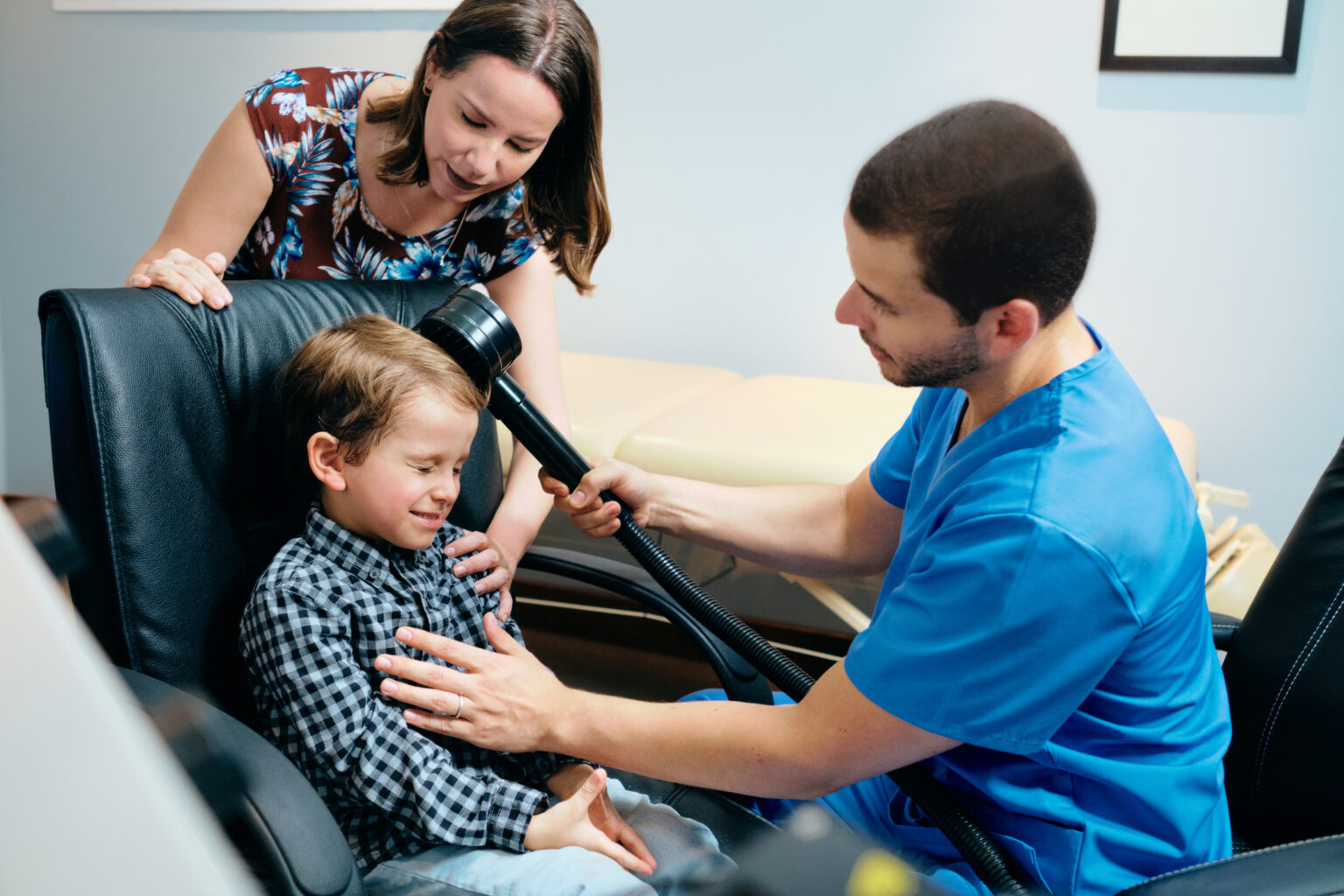
Targeted, non-invasive brain stimulation
Repetitive transcranial magnetic stimulation, or rTMS, uses magnetic pulses to target specific brain networks linked with mood, motivation, and emotional regulation. It is typically considered when symptoms have remained significant despite earlier treatment attempts.
At Harley Street Brain Clinic, we discuss rTMS in the context of the whole person. We consider symptom history, current level of impairment, previous responses to treatment, and whether rTMS is the right next step for your goals.
A structured option for people seeking non-invasive treatment support.
Often considered in treatment plans for depression, anxiety-related symptoms, or persistent functional impairment.
rTMS is delivered across a course of appointments rather than as a one-off intervention. We explain the treatment journey clearly so that expectations, scheduling, and progress reviews feel manageable from the start.
rTMS may be a good fit when symptoms remain disabling, when previous approaches have only partly helped, or when you want to explore a treatment pathway that does not rely solely on medication adjustments.
-
Suitability should always be discussed clinically and individually.
-
We focus on whether the treatment makes sense for your history and goals.
Appointments are delivered in a structured course, with each session targeting the brain area selected as part of the treatment plan. Progress is reviewed over time rather than judged too quickly.
-
You remain awake and alert during sessions.
-
The plan is explained clearly before treatment begins.
Patients often want to know about timing, how the sessions feel, and what changes to look for. We talk through all of this in advance so that treatment feels understandable and grounded rather than intimidating.
-
The focus is on informed decision-making and steady review.
-
We help you track the changes that matter most in daily life.
rTMS works best when progress is supported by a wider plan. That may include sleep regulation, therapy input, nervous system support, or follow-up work that helps maintain gains after the course has finished.
-
Treatment is stronger when it sits within a broader care plan.
-
We help connect symptom change with practical next steps.
A thoughtful pathway for more complex presentations
People often arrive at rTMS after trying hard for a long time. Our approach is to make the pathway feel clear, clinically grounded, and tailored to what will actually help you move forward in daily life.
Useful when you want a structured next step beyond repeating the same plan.
Always considered in the context of personalised clinical review.