
PTSD / Trauma
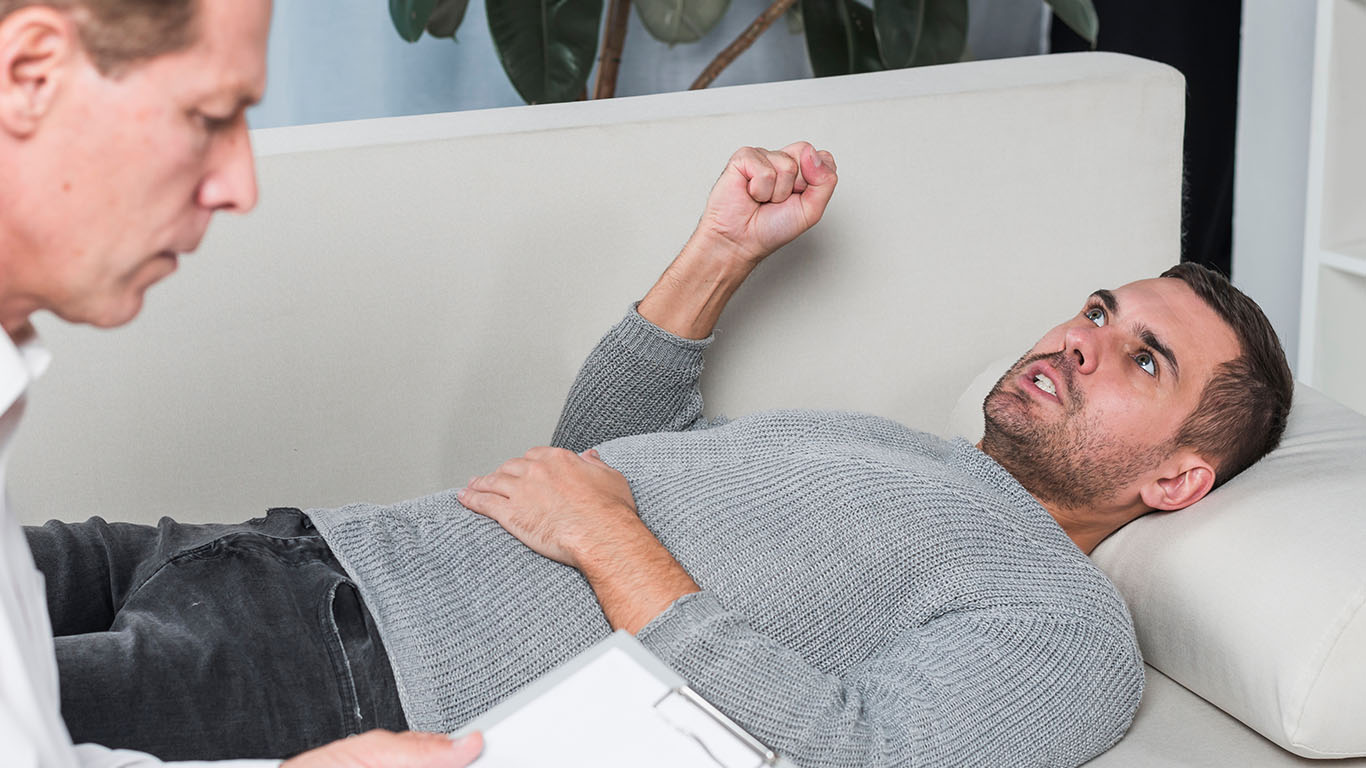
When the nervous system still feels trapped in survival mode
Trauma and PTSD can leave the brain and body responding as though danger is still present, even when life has moved on. That can show up as hypervigilance, intrusive memories, avoidance, emotional numbness, poor sleep, and a system that feels unable to settle.
Our approach is paced and respectful. We focus on stabilisation, assessment, and nervous system support so that treatment feels safe enough to be useful. The goal is not to push people into overwhelm, but to help recovery become possible.
We recognise that trauma symptoms are often both psychological and physiological.
Stabilisation and regulation are often essential before deeper therapeutic work can be effective.
Many people with trauma histories are exhausted by trying to look fine while carrying a system that remains on high alert. Care begins by understanding the protective patterns that have developed and identifying what will help the system feel safer.
PTSD and trauma-related symptoms may include flashbacks, nightmares, startle responses, dissociation, avoidance, panic, emotional shutdown, and a persistent sense of threat even in ordinary settings.
-
Symptoms may be intense and obvious or quieter and chronic.
-
Trauma can affect concentration, memory, sleep, and relationships as well as mood.
Early work often focuses on stabilisation: improving sleep, lowering nervous system activation, understanding triggers, and creating enough internal safety for treatment to proceed at a useful pace.
-
Stability helps reduce overwhelm and improves treatment tolerance.
-
We prioritise pacing over pressure.
Depending on the clinical picture, support may include qEEG-informed assessment, neurofeedback, HRV training, and broader trauma-focused planning. We look at what will help the nervous system recover capacity, not just what sounds intensive.
-
Treatment is chosen for fit, not for appearance.
-
We work toward steadier regulation and improved functioning.
Healing does not always mean forgetting. Often it means fewer triggers, less reactivity, better sleep, improved presence, and more freedom to live without feeling constantly organised around survival.
-
The aim is greater safety, choice, and regulation.
-
Recovery is measured by what becomes possible in daily life again.
Trauma recovery needs steadiness, not force
People with trauma histories often need treatment that respects sensitivity while still creating movement. We aim to support that balance carefully so recovery can feel grounded rather than overwhelming.
Useful when trauma symptoms are affecting sleep, attention, relationships, or confidence.
Built around safety, pacing, and meaningful day-to-day change.